A HELPFUL guide TO richmond, VirginiA
From one transplant to another
10 Things Parents Forget to Check During a Home Tour | Richmond, VA
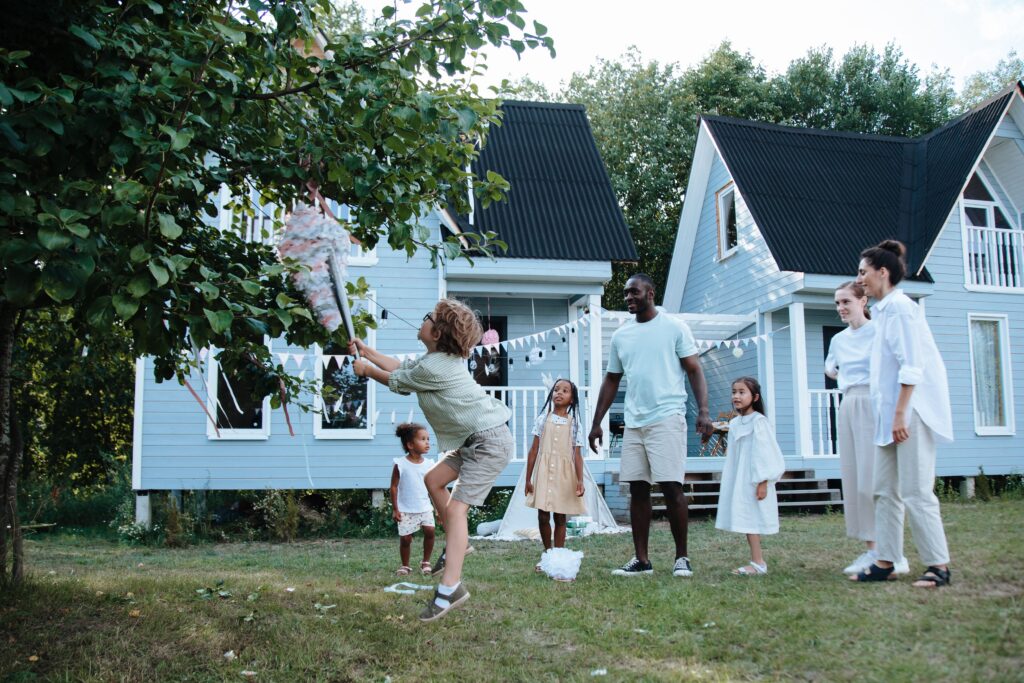
It is surprisingly easy to walk into a beautiful house, see the big kitchen island and pretty backyard, and immediately picture your family living there.
Meanwhile, no one has checked where the stroller would go, whether you can see the kids from the kitchen, or how many stairs stand between the bedrooms and the laundry room.
Listing photos and home tours naturally draw our attention to the exciting things: countertops, natural light, closet size, updated bathrooms and whether the living room feels inviting.
But when you are buying a home with children, the details that affect your life most are often much less glamorous.
They are the little things you will deal with while carrying a baby, unloading groceries, searching for a missing shoe, trying to protect nap time or asking everyone to put their water bottles away for the sixteenth time.
As both a Richmond Realtor and a mom, these are the ten practical things I encourage parents to check before deciding a house truly works for their family.
1. Where will the stroller live?
This sounds minor until you are folding a stroller in the rain while a child tries to escape toward the driveway.
When you enter the house, look for a realistic stroller spot. Could it remain open in a garage, mudroom, wide entryway or coat closet? Would you need to carry it up exterior steps? Would it block the front door or the main hallway?
If you use a double stroller or wagon, mentally place its actual dimensions in the space. A tiny coat closet that technically offers “storage” may not be nearly as useful as the listing suggests.
Think about your everyday arrival routine:
- Where will you park?
- How many steps or stairs are between the car and the door?
- Can you open the door while holding a child or car seat?
- Is there a covered place to unload when it rains?
- Can the stroller roll directly inside, or will it need to be folded and carried?
The house does not need a Pinterest-worthy mudroom. It just needs a landing place that keeps your main walkway from becoming stroller parking.
2. Do the bedroom locations work for this season of parenting?
A first-floor primary bedroom can sound ideal—until you realize the baby’s room is upstairs at the opposite end of the house.
On the other hand, bedrooms grouped closely together may feel perfect with babies and toddlers but less appealing when everyone is older and craving more privacy.
Stand in the room you would use as the primary bedroom and locate the children’s rooms. Consider:
- How far would you walk during a nighttime wake-up?
- Are there stairs between you and a baby or young child?
- Can you hear the nursery from your room?
- Would normal living-room noise travel into the bedrooms?
- Is there a room close enough for a nursery now that could serve another purpose later?
There is no universally correct arrangement. You are looking for a setup that works for your children’s current ages and has enough flexibility for the next few years.
3. Is there a realistic home for the toys?
Many buyers see an extra room and immediately label it “the playroom.” That is helpful—but it is not the whole toy-storage plan.
Kids rarely restrict their belongings to the room designated for them. Toys migrate. Books appear beside every chair. Art supplies somehow reproduce overnight.
During the tour, look for storage near the places your family will actually spend time. Is there room for baskets or cabinets in the living area? Could a section of the dining room hold art supplies? Is there a linen closet, built-in shelving or under-stair storage? Can toys be put away without carrying everything to another floor?
Also look at the playroom itself. Is it near enough that younger children could use it while you cook or work nearby? Can you see or hear them? A beautiful finished basement may not function as an independent play space for a two-year-old.
The goal is not to find a house where toys will never be visible. That house does not exist. The goal is to make cleanup reasonably easy.
4. Does at least one bathroom have a usable bathtub?
An oversized glass shower looks lovely, but bath time becomes significantly more creative when there is no tub anywhere in the house.
Confirm whether at least one bathroom has a bathtub if that matters for your family. Then look beyond the fact that it exists:
- Is it deep or awkward to reach into?
- Is there room to kneel beside it?
- Is the bathroom close to the children’s bedrooms?
- Is there somewhere to store bath toys, towels and toiletries?
- Would two small children fit if they bathe together?
You can certainly add or replace a tub, but that should become part of your renovation budget—not an unpleasant surprise after moving in.
If you are buying with future resale in mind, having at least one bathtub can also appeal to other buyers with young children.
5. Can you see the backyard from inside?
A fenced backyard is often high on a parent’s wish list. But the relationship between the yard and the house matters almost as much as the yard itself.
Stand at the kitchen sink, kitchen island and main living area. Can you see the part of the yard where children would play? Are there blind spots behind a garage, addition, shed or landscaping? Does the back door open directly to the yard, or onto a deck with a long flight of stairs?
Check whether you could prepare dinner or feed the baby while keeping an eye on an older child outside. Notice whether the yard is flat enough for play, whether gates appear secure and whether the fence actually encloses the full usable area.
A large yard is not automatically a practical yard. Sometimes a smaller, level space with good visibility works much better for family life.
6. What is the street like when people are not touring houses?
Home tours often happen during quieter hours. The calm street you see at 11 a.m. on Saturday may feel completely different during weekday school traffic or the evening commute.
Look at the road itself:
- Is it a through street or a destination street?
- How quickly are cars traveling?
- Are there sidewalks or usable shoulders?
- Is the driveway easy to enter and exit?
- Can children ride bikes or scooters comfortably?
- Is street parking likely to limit visibility?
- Are there nearby intersections that become congested?
If you love the house, return to the area at another time of day. Sit nearby for ten minutes and watch what happens. One additional visit can reveal school pickup traffic, commuter shortcuts, delivery activity or road noise that was not obvious during the showing.
This is especially useful around Richmond, where two streets in the same general neighborhood can have very different traffic patterns.
7. Where is the laundry—and how many stairs are involved?
A laundry room does not have to be beautiful, but its location will affect you constantly.
If all the bedrooms are upstairs and the laundry is in the basement, picture carrying baskets down two flights of stairs. If the washer and dryer are beside a child’s bedroom, consider whether the noise would interfere with sleep. If laundry is tucked into a kitchen closet, imagine trying to use it during meals and morning routines.
While touring, check:
- The path from the bedrooms to the laundry area
- Space for sorting, folding and hanging clothes
- Whether doors can open fully
- Where hampers would live
- Whether there is room for detergent and supplies
- If the machines appear properly vented and accessible
Laundry location may not determine whether you buy a house, but it deserves more attention than the thirty-second glance it usually receives.
8. Can you unload children, car seats and groceries without chaos?
Garage size and driveway layout look different when car seats enter the equation.
If the home has a garage, check whether your vehicle actually fits with enough room to open rear doors. A two-car garage on paper may not comfortably hold two modern vehicles, storage and the space required to buckle a toddler.
If you would park outside, consider the path from the car to the house. Is it steep? Are there steps? Does it become slippery? Would you need to walk around the entire house to use the preferred entrance?
Open the door you would use every day and trace the grocery route. Where would you set bags while unlocking the door? Is the kitchen nearby? Could you carry a sleeping baby inside without navigating a narrow stairway?
No entrance will eliminate family chaos completely. We are shopping for houses, not miracles. But a practical parking and unloading setup can remove one repeated frustration from your day.
9. What will the house sound like during naps and bedtime?
Natural light and open floor plans receive plenty of attention. Sound rarely does—until someone is trying to keep a baby asleep.
Pause during the tour and listen. Can you hear road traffic, nearby businesses, airplanes, trains, barking dogs or activity from neighboring homes? Inside, notice how sound travels between the main living area and bedrooms.
Look for potential trouble spots:
- A nursery wall shared with the television
- Bedrooms directly above the kitchen or garage
- An open stairwell carrying sound upstairs
- A bathroom shared between a sleeping child and the rest of the household
- Squeaky floors outside bedrooms
- Laundry machines close to nap spaces
Some noise can be improved with rugs, curtains, solid doors, insulation or white-noise machines. Other noise—such as a busy road behind the house—is harder to change.
If quiet sleep is especially important in your current season, revisit the home at the time your children normally nap or go to bed.
10. Where will the daily pile of family stuff go?
Every family has one: the constantly regenerating collection of shoes, backpacks, jackets, school papers, lunch boxes, reusable bags and approximately seventeen water bottles.
Look at the entrance your family would actually use—not necessarily the photogenic front door.
Is there room for hooks, a bench, baskets or a narrow cabinet? Is a coat closet nearby? Where would wet shoes go? Could children reach their own hooks? Is there a convenient place for keys, mail and school forms?
A formal foyer is not required. A blank wall can become a hardworking drop zone. A garage corner can hold sports gear. A small cabinet can prevent the kitchen counter from becoming family headquarters.
What matters is whether the home gives you a realistic place to create a system. If every entrance opens directly into a tight walkway or main living space, imagine where the daily pile will naturally land.
Because it will land somewhere.
A better way to tour a home as a parent
You do not need to analyze every detail during the first five minutes. Start by noticing how the home makes you feel and whether the major pieces—location, size, condition and price—make sense.
If it becomes a serious possibility, walk through again using your normal family routines as the guide.
Mentally rehearse:
- Arriving home with children and groceries
- Preparing dinner while the kids play
- Bath time and bedtime
- A middle-of-the-night wake-up
- Getting everyone dressed and out the door
- Washing and putting away laundry
- Spending a rainy day inside
- Hosting grandparents, friends or a playdate
A house can be beautiful and still make those routines harder. Another may not have the trendiest finishes but offers a layout that makes everyday life noticeably easier.
Countertops can be replaced. Paint can change. A light fixture is not a life commitment. The location of the bedrooms, relationship between the house and yard, street traffic and overall floor plan are much harder to alter.
Save this quick home-tour checklist
Before leaving a house you seriously like, check:
- A practical spot for the stroller or wagon
- Bedroom distance and nighttime accessibility
- Toy storage near everyday living spaces
- At least one usable bathtub
- Backyard visibility from inside
- Street traffic, sidewalks and driveway safety
- Laundry location and storage
- Room to open car doors and unload groceries
- Indoor and outdoor noise near sleeping areas
- A drop zone for shoes, bags and water bottles
You will still want a professional home inspection to evaluate the property’s physical condition. This list serves a different purpose: helping you decide whether the home supports the way your family actually lives.
The right family home is not always the biggest one
When families tell me they need more space, sometimes they truly do. But often, what they need is space that works better.
A thoughtful floor plan, practical storage, usable outdoor space and a location that supports daily routines may improve family life more than another several hundred square feet.
That is one reason I ask buyers questions that may not sound like traditional real estate questions. Where does your stroller live now? Who wakes up with the baby? Do your kids play outside independently? Where are you driving several times each week? Which part of your current routine feels unnecessarily hard?
Those answers help us look past beautiful listing photos and find a home that fits the people who will actually live there.
If you are considering a move in Richmond, Henrico, Chesterfield, Midlothian, Glen Allen or the surrounding area, I would be happy to help you think through what your family needs next. You do not need to have everything figured out before reaching out. We can start with a relaxed conversation, build your practical wish list and create a plan that makes the process feel a little less overwhelming and a lot more human.
Looking for a home that works for your real family life?
Let’s build a wish list around more than bedrooms and square footage. We can talk through your routines, location, budget and the little details that would make your next home easier to live in.
SCHEDULE A NO-PRESSURE HOME-BUYING BRAINSTORM: Schedule here!
Or download my free RVA Family Pack for helpful Richmond family resources and practical guides for buying, selling and moving with kids.
GET THE RVA FAMILY PACK: https://bwalker-realty.myflodesk.com/rvamom



PLEASE COMMENT BELOW